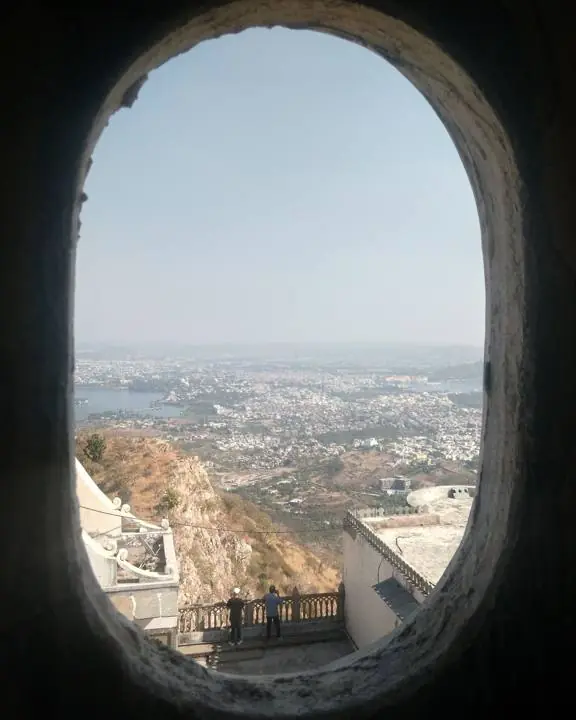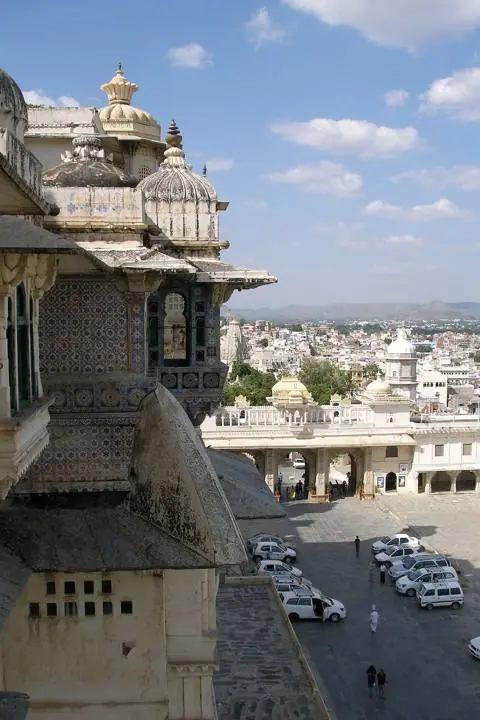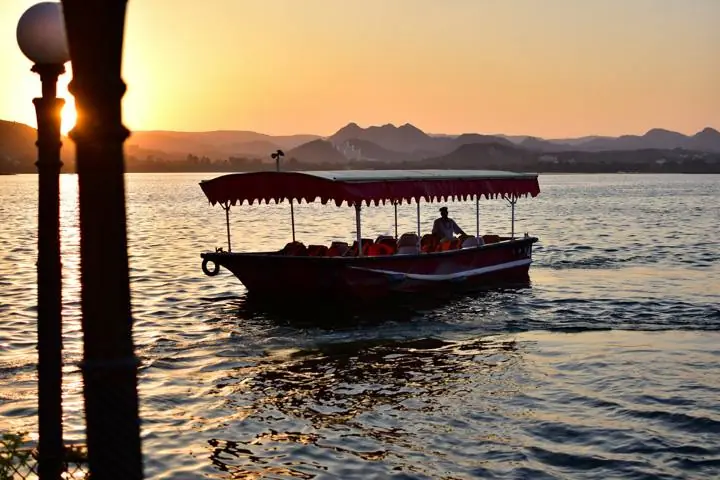

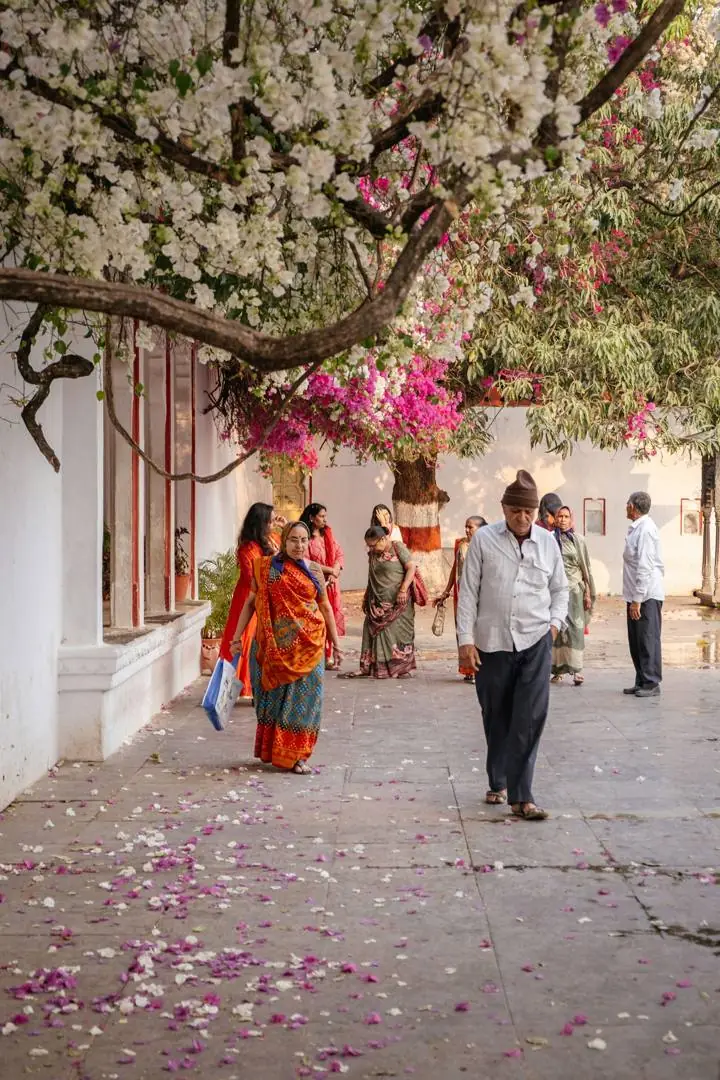
Old City & Jagdish Chowk
Palace, ghats and the busiest lanes
- Best for
- First-timers, walkers, rooftop dinners
- Eat
- Kachori near Jagdish Temple, cafés on Gangaur Ghat
- Tip
- Leave the car outside; everything here is a walk.
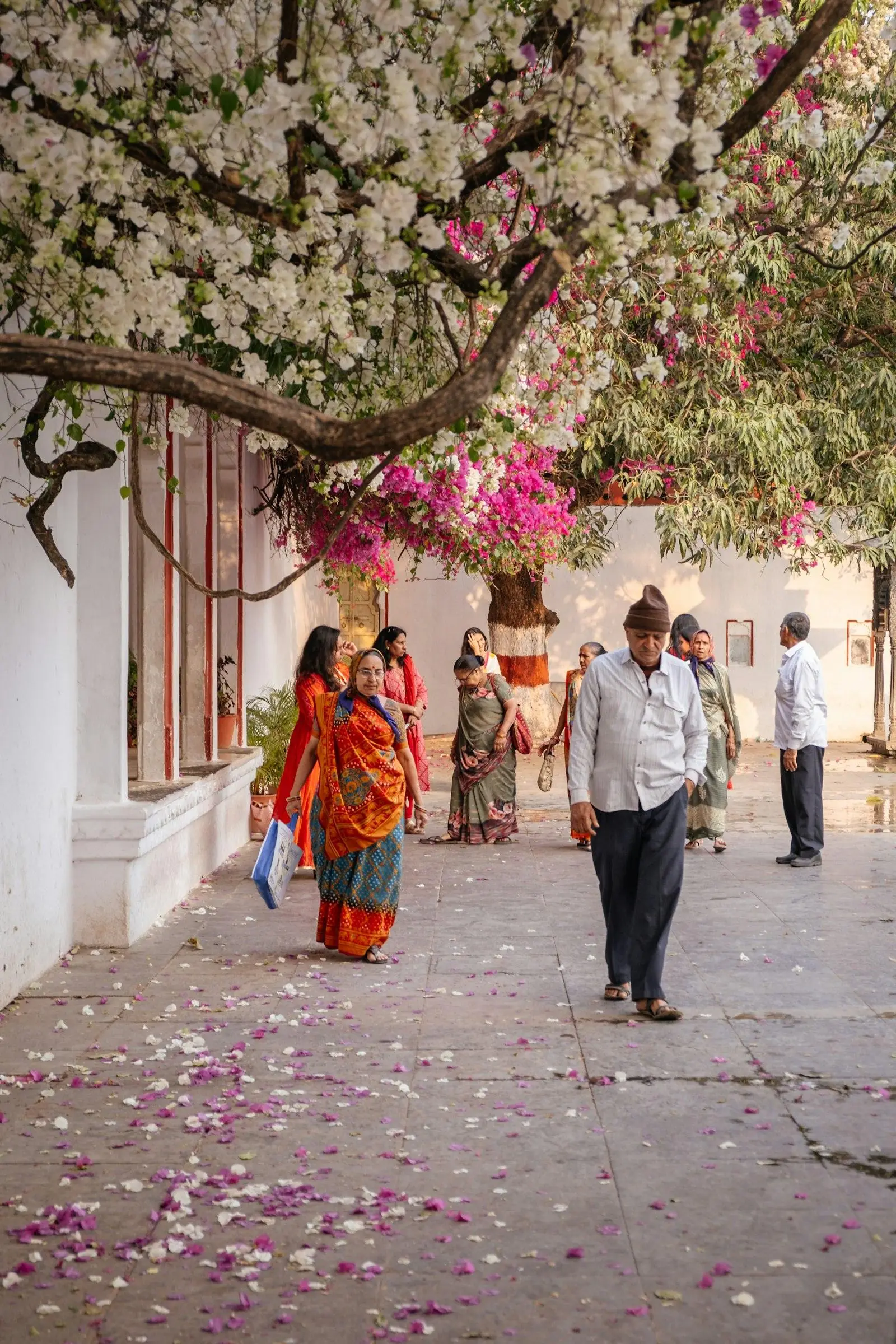
Udaipur beyond the postcard: the neighbourhoods, hidden corners, seasons and habits of the people who live here.
Explore the city one area at a time.
Palace, ghats and the busiest lanes
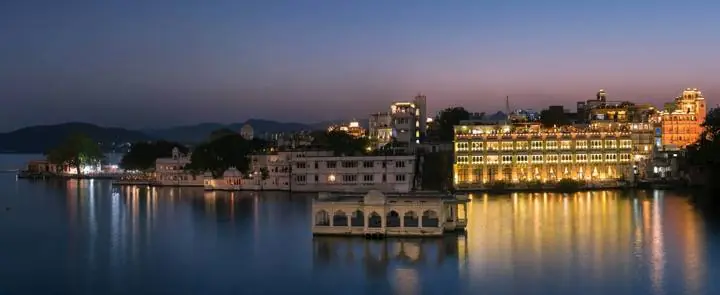
The west bank, facing the palace
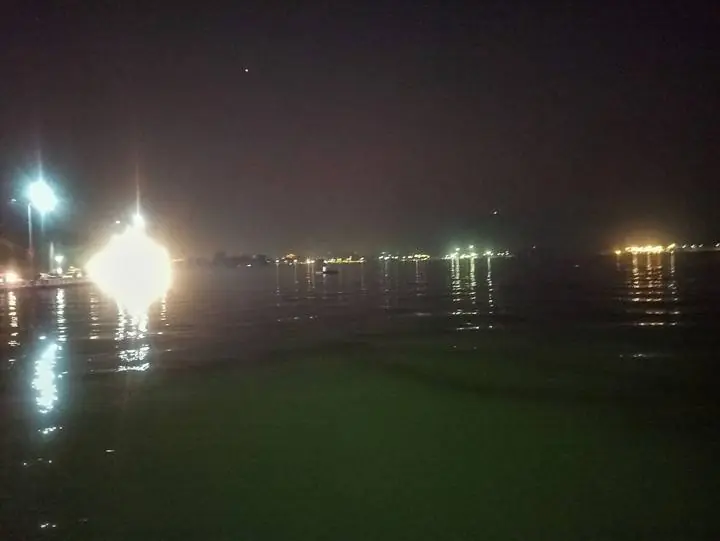
Greener, calmer, where locals spend evenings
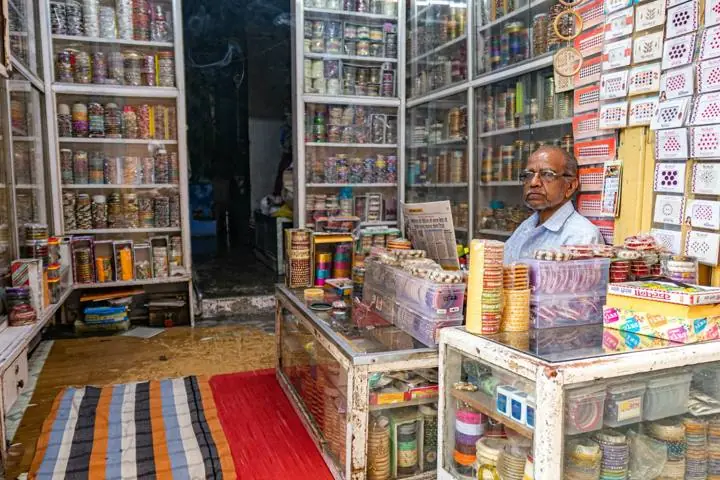
Markets, sweet shops and everyday Udaipur
Offices, colleges and old institutions
Lakes, farms and Aravalli views
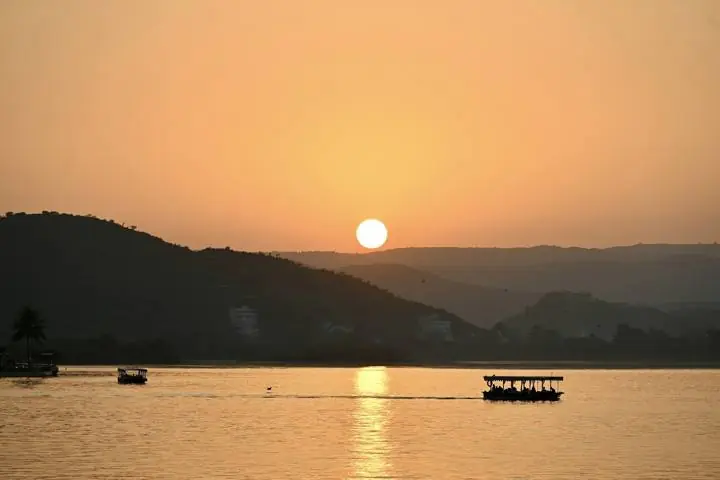
The Fateh Sagar pal, not the Old City. Families, coffee carts and roasted corn as the sun sets behind the hills.
Poha and jalebi from a cart, or kachori near Jagdish Temple. Cafés come later.
A drive to Badi Lake and Bahubali Hills, or lunch at a farm restaurant in the hills.
Doodh Talai and Manikya Lal Verma Park, where you'll be one of the few out-of-towners.
Bada Bazaar for fabric and bangles, Shilpgram for honest craft prices.
Sajjangarh in the clouds, then chai and pakoras on the pal.
Workshops, walks and kitchens. Ask and we'll set them up.
 Food
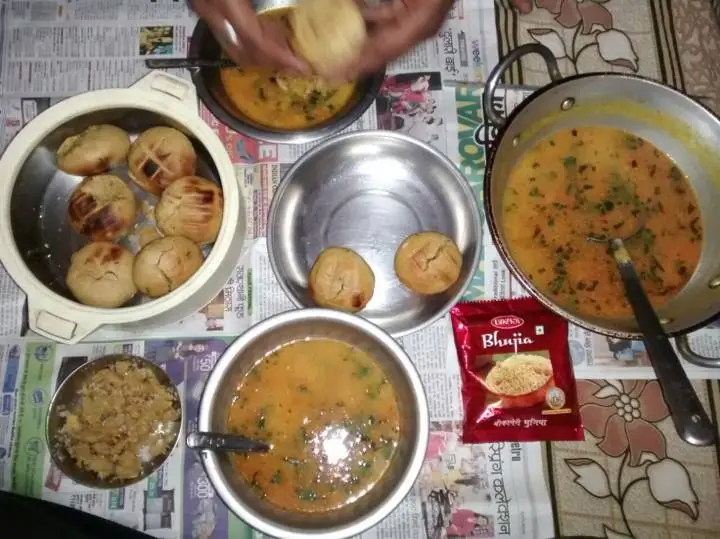
Cook dal baati and gatte in a family kitchen, then eat what you made.
 Workshops
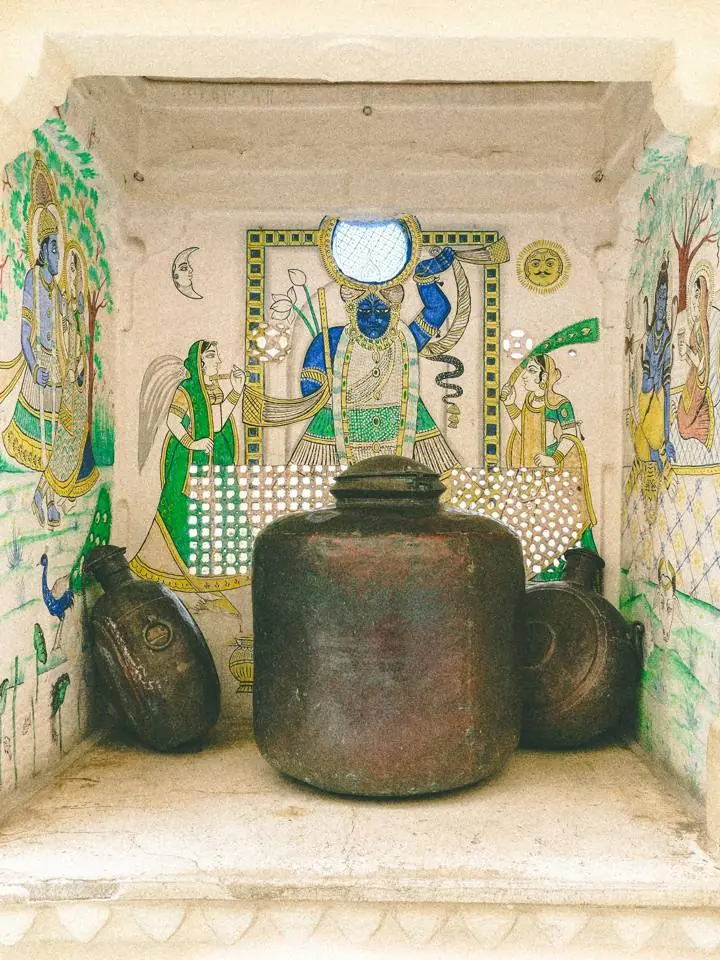
Learn the Mewar miniature style from a Hathi Pol painter, squirrel-hair brush and all.
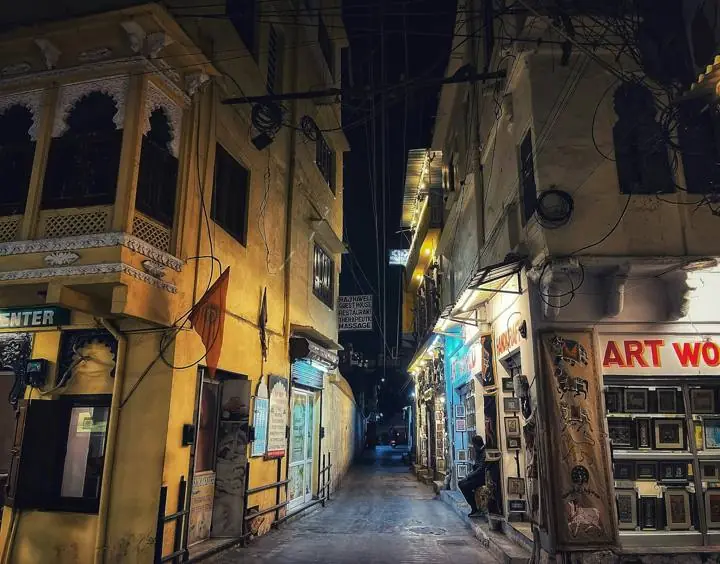
WalksHavelis, step-wells and artisans in the lanes behind Jagdish Temple.
 Workshops
Potters, weavers and painters at work; buy straight from the maker.
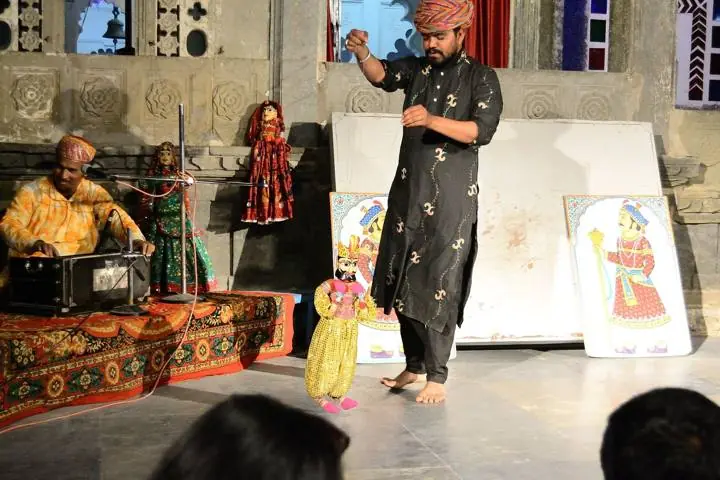
CultureRajasthan's string-puppet tradition, live, in the city's folk-art museum.
OutdoorsA twenty-minute climb over Badi Lake for first light over the Aravallis.
Mist over Fateh Sagar at dawn, warm afternoons, Shilpgram Utsav in late December. Pack a jacket for evenings on the lake.
Holi at the City Palace, then Gangaur and the Mewar Festival on the ghats. The best festival weeks of the year.
Sightsee from 7 to 11 am, rest through the afternoon, come out again after 5. Fewer crowds, lower hotel rates.
The lakes fill and the Aravallis turn green. Clouds roll past Sajjangarh, ghevar appears in sweet shops, and Teej fills Fateh Sagar.
The crafts and trades that make Udaipur what it is. We tell their stories on Instagram and in our stories section.
Miniature artists who still grind their own stone colours and paint with single-hair brushes.
Families of the Bhat community who carve, paint and perform kathputli.
The men who've rowed and steered the lake's boats for generations.
Village potters who make the terracotta plaques of Mewar's folk deities.
Workshops around the clock tower, beating silver by hand.
The chefs behind the city's new tables, reworking Mewari food.
What first-time visitors tell us they'd do differently.
Tour groups and heat peak together. Be at the gate when it opens.
In October–March the last slot sells out. Book it in the morning.
Lanes are narrow and one-way. Park outside and walk, or take an auto.
Non-Jain visitors are usually allowed in from noon.
UPI works almost everywhere, but carry some cash for tickets, autos and small shops.
Last entry is around 5:30 pm. Leave the city by 4:30 in winter.
Especially at temples and ghats. A smile and a gesture is enough to ask.
Cover shoulders and knees, and carry socks for hot marble floors.
Tell us your dates and what you love. Our Udaipur team will suggest a plan, and can book stays, cars, guides and tables.