

 Palaces
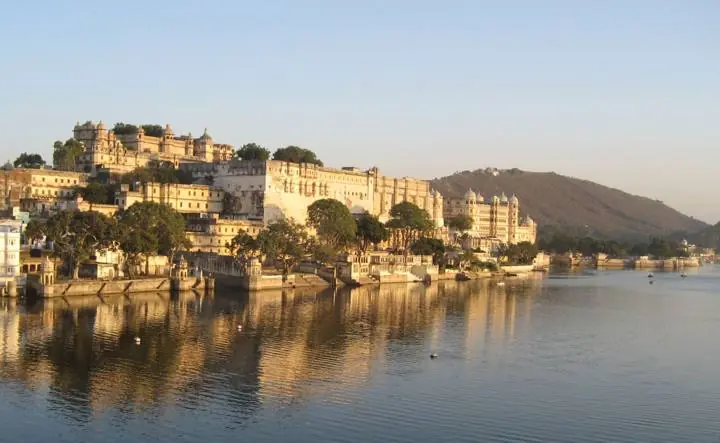
City Palace
Eleven palaces built over four centuries, stacked along Lake Pichola.
₹300–400 adult (museum)2–3 hours
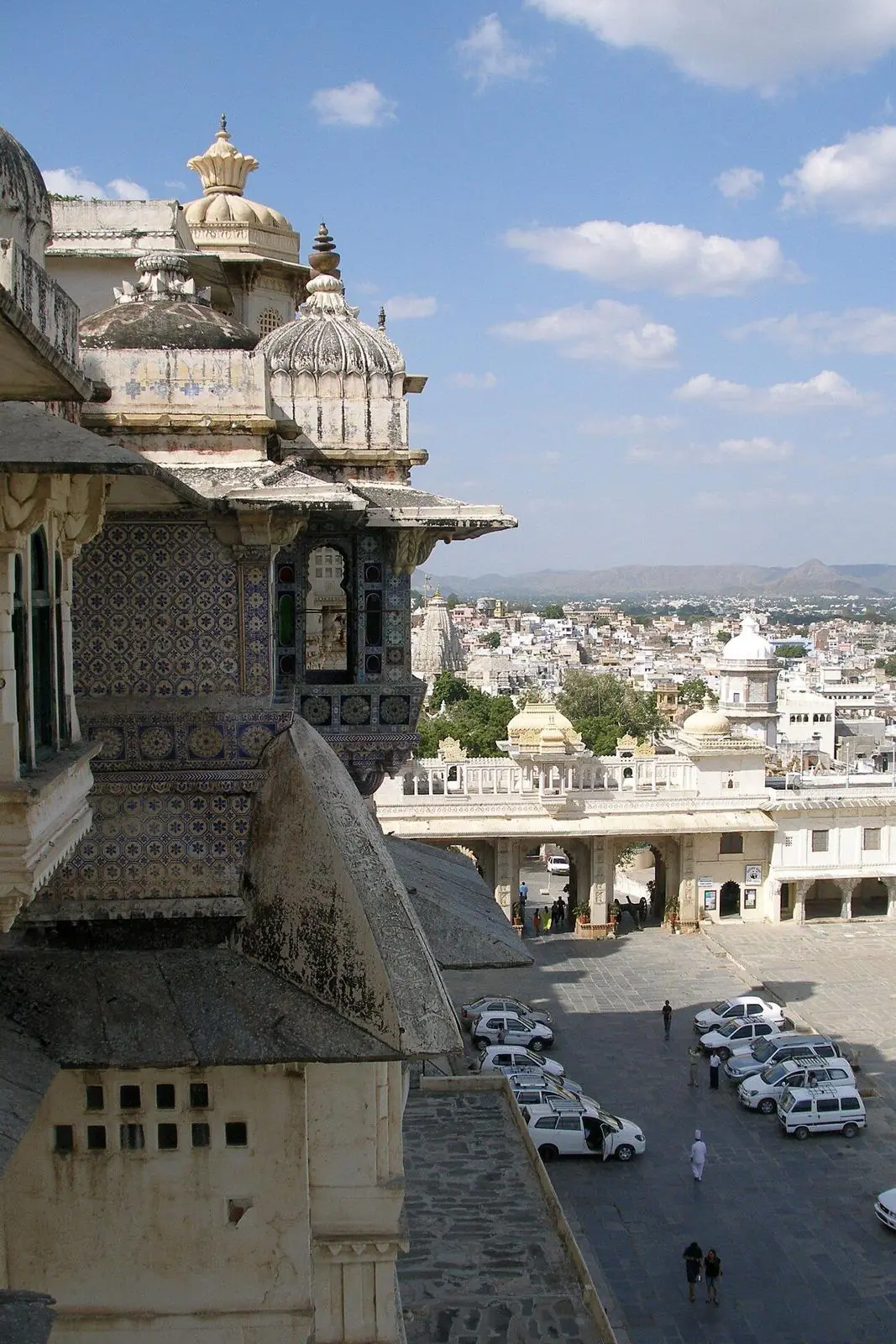
Fourteen centuries of Mewar in one city: the dynasty, the lakes and palaces it built, and the stories behind them.
From a Chalcolithic village on the Ahar river to the City of Lakes.
A Chalcolithic farming culture settles on the Ahar river, on the edge of today's city. Its pottery is in the Ahar Museum.
Bappa Rawal establishes the dynasty that will rule Mewar for more than a thousand years, in the name of Eklingji.
The lake is dug and dammed during Maharana Lakha's reign; tradition credits a Banjara trader.
Kumbhalgarh and Chittorgarh's Vijay Stambha go up in Mewar's golden age.
Maharana Udai Singh II chooses the shores of Pichola for a safer capital in the hills.
Akbar takes Chittorgarh. Udaipur becomes Mewar's capital.
Maharana Pratap faces the Mughal army in the pass north of the city.
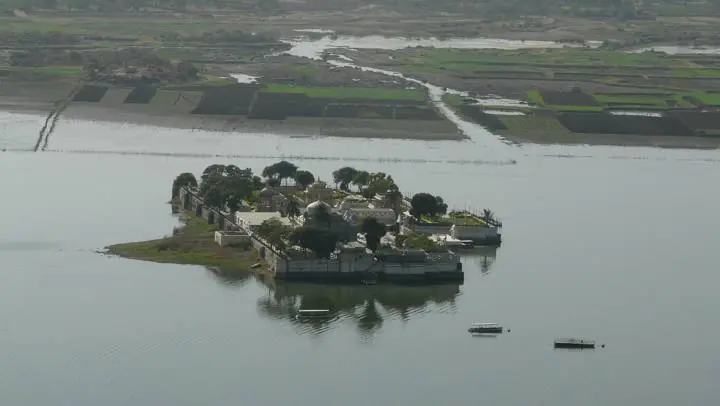
Prince Khurram, later Shah Jahan, shelters on the island palace.
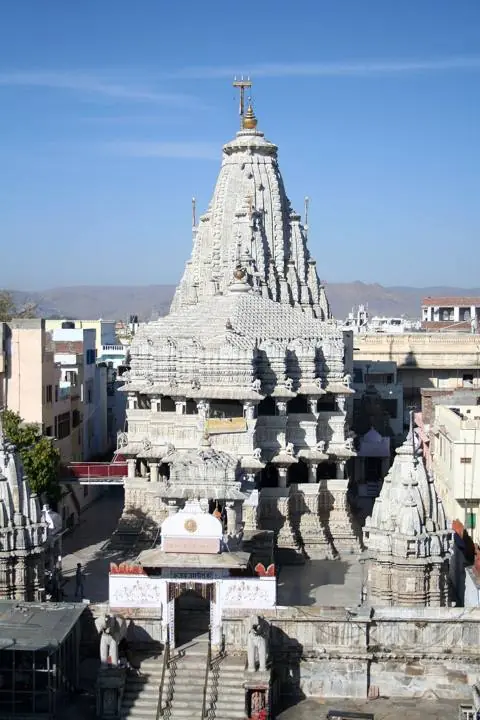
Maharana Jagat Singh I raises the Vishnu temple near the palace.
Maharana Jai Singh builds one of Asia's largest artificial lakes.
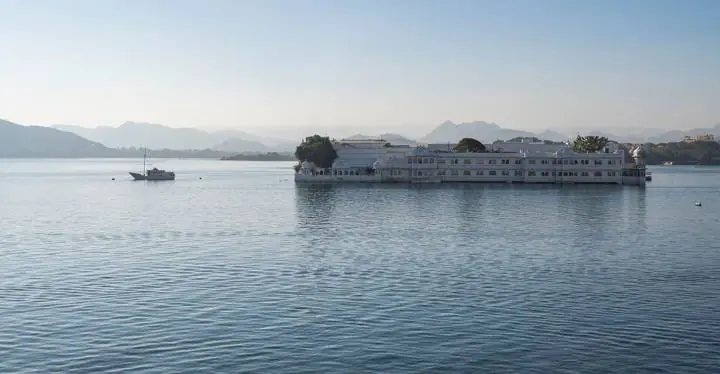
The summer palace in the lake is completed; it becomes the Lake Palace hotel in 1963.
Maharana Sajjan Singh builds the Monsoon Palace on Bansdara hill.
Maharana Fateh Singh rebuilds and enlarges the northern lake.
Mewar joins the United State of Rajasthan.
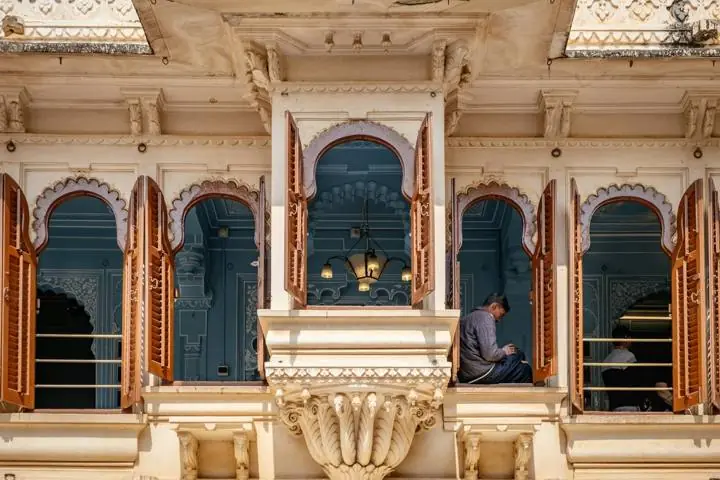
Haveli balcony. Photo: Johan Mouchet, Unsplash
11 palaces, forts, havelis and memorials with fees and timings.
PalacesEleven palaces built over four centuries, stacked along Lake Pichola.
 Viewpoints
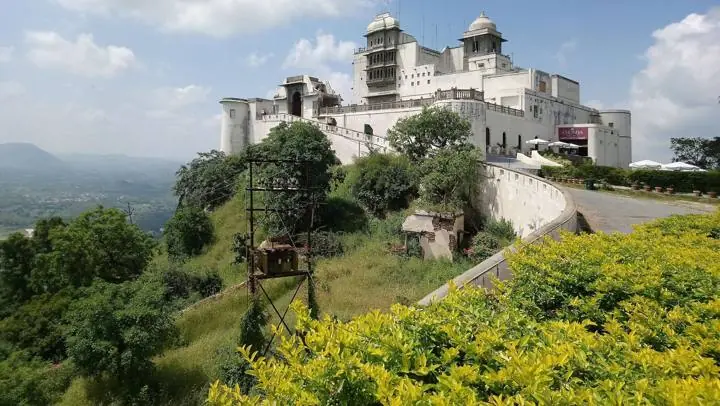
A hilltop palace built to watch the monsoon clouds come in.
 Museums
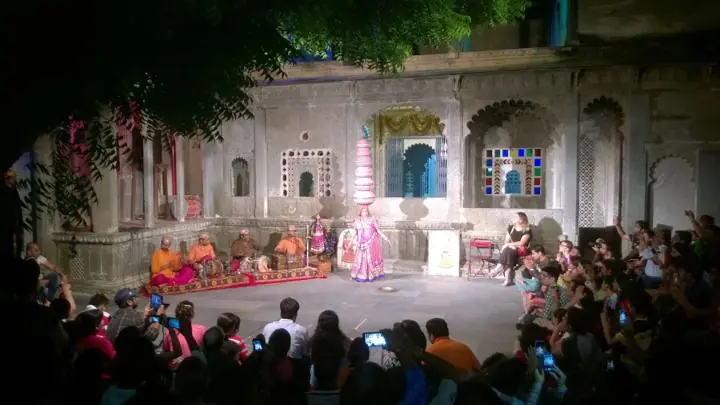
An 18th-century haveli on Gangaur Ghat with Udaipur's best folk show.
 Temples
A 1651 Vishnu temple, carved from plinth to spire.
 Palaces
An island palace of marble pavilions in the middle of Pichola.
 Palaces
The white palace that seems to float on Pichola.
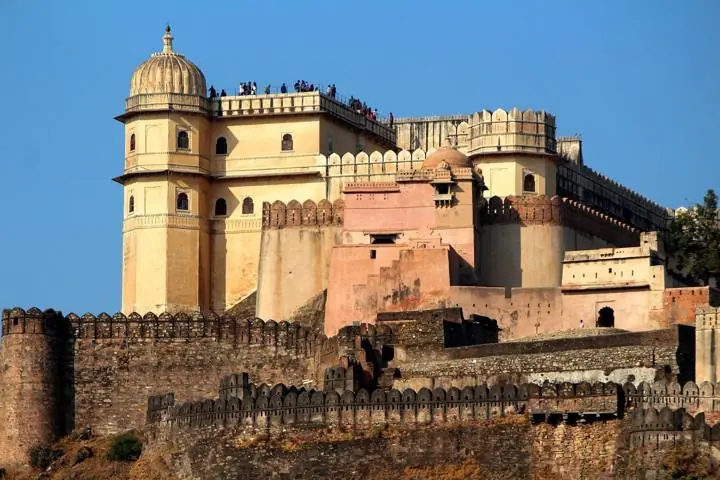 Day trips
A UNESCO hill fort whose walls run some 36 km over the Aravallis.
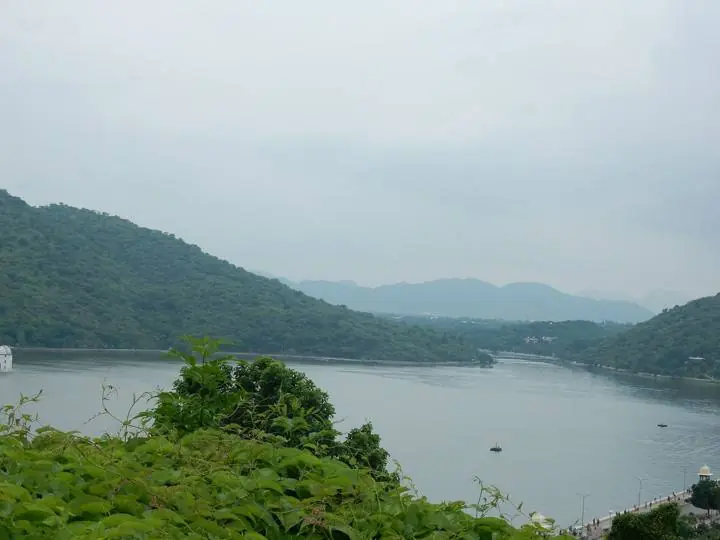 Viewpoints
A hill above Fateh Sagar with the bronze statue of Maharana Pratap on Chetak.
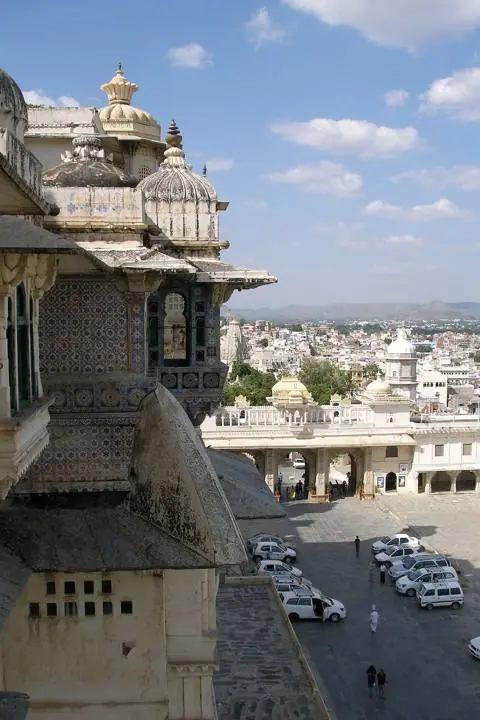 Heritage
Over 250 royal chhatris, and a museum of a 4,000-year-old culture.
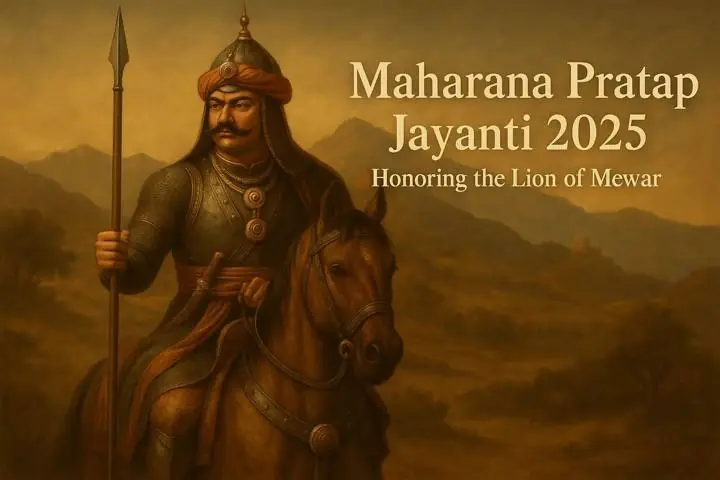 Day trips
The yellow-earth pass where Maharana Pratap fought in 1576.
Day tripsMewar's first great capital, a UNESCO fort spread over a 180-metre hill.
The anecdotes guides tell, and a few they don't.
Eklingji & NagdaMewar's rulers called themselves Dewan, minister, of Eklingji. The god was king; they ruled on his behalf. It's why the Eklingji temple sits at the centre of royal ritual even today.
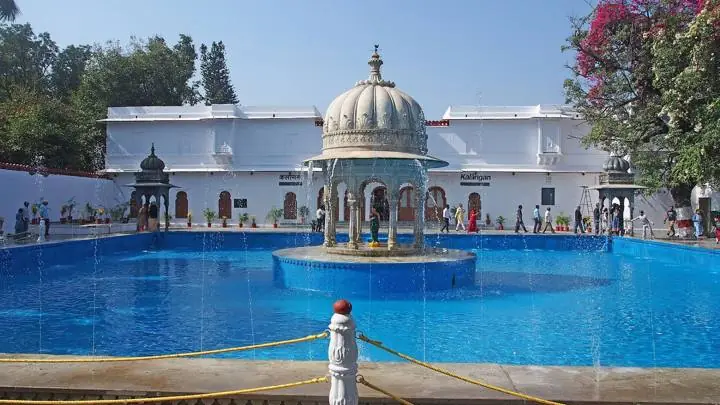 Saheliyon Ki Bari
 was laid out for a queen and the companions who came with her at her marriage. The fountains were imported from England and run on the water pressure of Fateh Sagar, with no pumps.
Sajjangarh Monsoon PalaceSajjangarh was meant as an observatory for monsoon clouds over the Aravallis. Maharana Sajjan Singh died young, and the palace was never finished as planned.
Jag MandirWhen Prince Khurram rebelled against his father Jahangir, Mewar gave him shelter on Jag Mandir. Some say its domes stayed in his mind when he built the Taj Mahal.
Bagore Ki Haveli & DharoharBagore Ki Haveli was built by Amar Chand Badwa, prime minister of Mewar, on Gangaur Ghat. Over 130 rooms now hold the city's folk museum.
Tell us your dates and what you love. Our Udaipur team will suggest a plan, and can book stays, cars, guides and tables.